

Driving in Kos: The Honest Guide to Roads, Safety & What Nobody Tells You
So you’re thinking about driving in Kos. Good call – this island is made for exploring by car. At roughly 40km long and 8km wide, everything is reachable within an hour, and having your own wheels opens up beaches and villages that tour buses simply don’t visit.
But let’s be real: driving in Greece isn’t quite the same as driving back home. The roads are narrower, the locals drive with a certain… enthusiasm, and you’ll encounter roundabouts that seem to follow their own logic. After spending weeks navigating Kos by car, I’ve learned a few things that would have been useful to know before hitting the road. This is the practical, honest guide I wish I’d read – no sugar-coating, just real advice that’ll help you decide whether to rent a car and how to handle Kos driving safely.
What Are the Roads Actually Like in Kos?
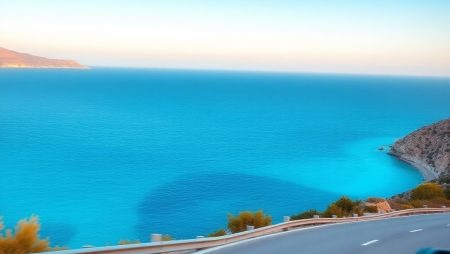
The main roads in Kos are genuinely good. The island’s main highway runs along the coast from Kos Town to Kefalos in the west, and it’s a well-maintained two-lane road with clear markings and decent shoulders. You can comfortably do 60-70km/h on this stretch, and it connects most of the popular spots like Kardamena, Tigaki, and Mastichari.
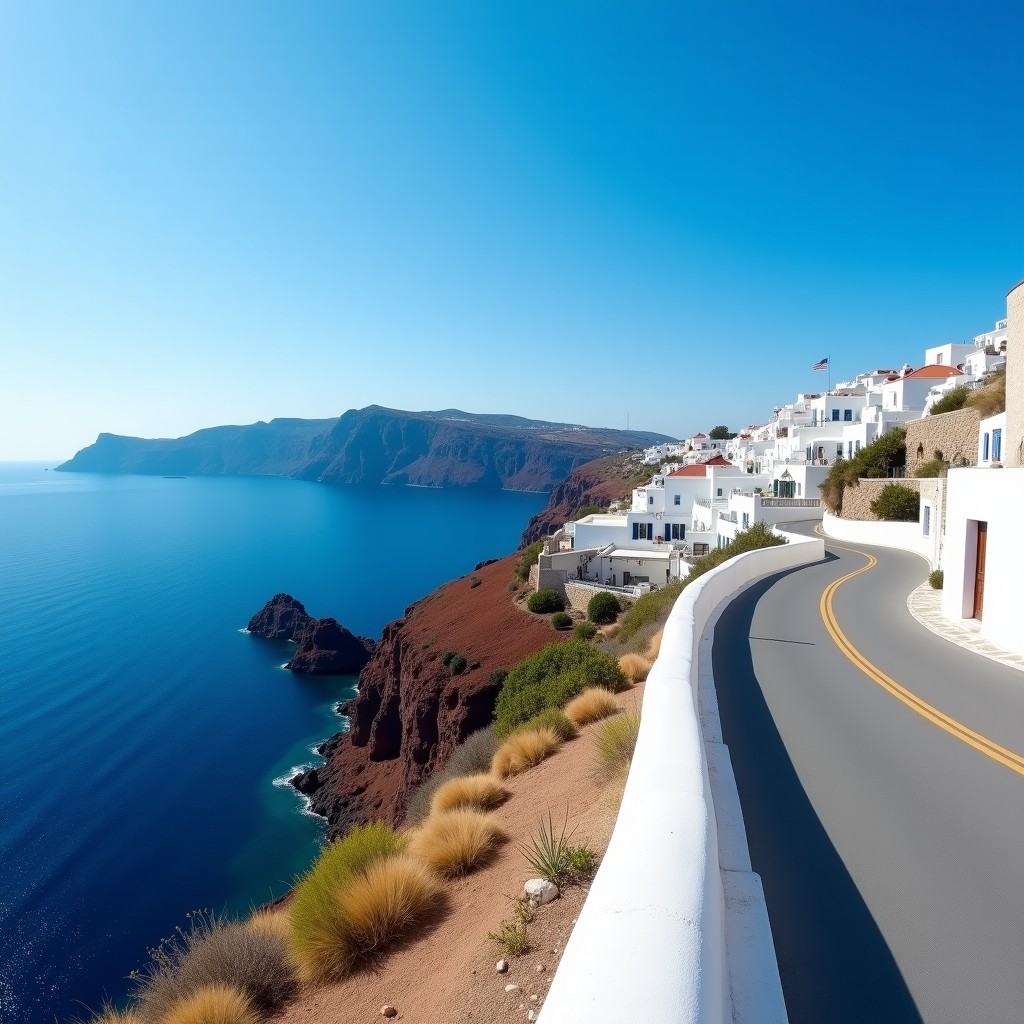
The secondary roads are where things get interesting. Routes heading inland toward villages like Zia have tight curves and elevation changes that demand your full attention. The road up to Zia – a popular sunset spot – has several hairpin turns and narrow sections where you might need to pull over for oncoming traffic. Nothing dangerous if you take it slow, but don’t expect highway conditions.
Village roads are often just wide enough for one car, with stone walls or buildings on both sides. If you’re staying somewhere like Antimachia, you’ll become very familiar with reversing down narrow lanes. It’s all part of the charm, honestly – just rent a compact car if you’re worried about squeezing through tight spots.
One thing that surprised me: the roads are generally quieter than I expected, especially outside July and August. September driving felt almost peaceful, with plenty of space on most routes.
Local Driving Habits – What to Expect
Greek driving style takes some getting used to. Locals tend to drive closer to centre lines than you might be comfortable with, and overtaking happens when you least expect it. The good news? Kos drivers are generally more relaxed than their Athens counterparts, and I found most locals respectful of tourists who were obviously taking their time.
Roundabouts deserve a mention. Technically, cars already in the roundabout have right of way – but you’ll see locals interpret this rule creatively. Approach with caution, make eye contact if possible, and don’t assume someone will yield just because they’re supposed to.
Scooters are everywhere in summer. Riders often zip between cars or appear in your blind spot, so check your mirrors religiously before any manoeuvre. This is especially true on the coastal road near busy beaches, where scooter rentals outnumber cars during peak season.
Parking in Kos Town can be competitive, but there’s a large free parking area near the harbour and paid parking in the centre costs around €2-3 per hour. Smaller villages like Kefalos usually have free parking on the street or small lots near the main beaches.
Night driving is straightforward – roads are adequately lit in developed areas, though rural stretches between villages can be completely dark. Keep your high beams handy, and watch for the occasional goat or cat wandering onto the road.
Fuel, Navigation, and Practical Car Hire Tips
Fuel stations are well-distributed across Kos, though not all are open 24 hours. You’ll find stations on the main road outside Kos Town, near the airport, and along the route to Kefalos. Full-to-full is the standard rental policy – there’s a fuel station within 2km of Kos Airport, so filling up before return is easy. Expect to pay around €1.70-1.90 per litre, similar to mainland Greece prices.
Navigation is simple with Google Maps or Maps.me, both of which work well across the island. There are very few roads that aren’t mapped, and signal coverage is good almost everywhere. I’d still recommend downloading offline maps before you arrive – there are a few spots in the hills where signal drops out.
Car hire in Kos is straightforward and competitively priced. You can hire a car in Kos from the airport or from locations in Kos Town and popular resort areas. Most international licences are accepted without an International Driving Permit, though check with your rental company if you’re coming from outside the EU.
Book early if you’re visiting in July or August – the island’s limited car supply gets fully booked during peak weeks, and last-minute rentals end up being expensive or completely unavailable. March or April booking is ideal for summer travel.
For more car hire options across Greece and beyond, see all car hire locations at 365carhire.com.
Is Renting a Car in Kos Worth It? The Honest Answer
Short answer: yes, for most travellers.
Longer answer: it depends on what kind of holiday you want. If you’re happy staying in one resort, walking to the beach, and maybe taking one or two organised excursions, you could skip the car. The bus network covers main tourist areas, and taxis are reasonably priced for short trips.
But if you want to discover the real Kos – the hidden coves, the mountain villages, the beaches that don’t appear on tourist maps – a car is essential. Public buses don’t reach places like Agios Theologos beach or the thermal springs at Therma. And there’s something special about setting your own schedule, stopping whenever a view catches your eye, and having the freedom to stay for sunset without worrying about the last bus.
For families especially, a car is invaluable. Packing beach gear, keeping kids cool in air conditioning, and avoiding crowded buses with tired children – it makes the whole holiday more relaxed.
Compare a current rental quote for your dates and add fuel, parking and any selected extras. Whether this is good value depends on your route and the cost of the transport alternatives you would use.
Check current rates and availability at koscarhire.com – they work with local suppliers and offer straightforward pricing without hidden fees.
Ready to explore Kos on your own terms? Compare car hire options at koscarhire.com and book your wheels for a holiday that goes beyond the resort. The best beaches, villages, and views are waiting – and a rental car is your key to all of them.