
Kos or Rhodes: Which Greek Island Suits Your Holiday Better?
Introduction: Two Islands, Two Personalities
Kos and Rhodes are two of the most popular islands in the Dodecanese chain, and for good reason. Both offer sunny weather, excellent beaches, ancient ruins, and a welcoming atmosphere. Yet they feel distinctly different. Choosing between Kos or Rhodes depends on what kind of holiday you want, how much driving you plan to do, and whether you prefer laid-back charm or a livelier, more varied experience.
Kos is smaller, flatter, and easier to navigate. You can drive from one end to the other in under an hour. Rhodes is much larger, more mountainous, and packed with historical layers from the Knights of Saint John to Ottoman mosques and Italian colonial architecture. Both islands have airports with direct flights from major European cities, and both are well served by car hire companies. If you want a relaxing beach holiday with gentle cycling and short drives, Kos wins. If you want dramatic scenery, medieval towns, and a broader range of activities, Rhodes has the edge.
This guide compares the two islands across the categories that matter most to travellers: beaches, history, driving, nightlife, food, family appeal, and cost. By the end, you will know which island matches your priorities and how to make the most of your time once you get there.
Size and Getting Around
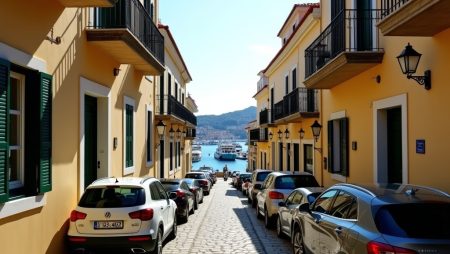
Kos stretches roughly forty kilometres from east to west and is rarely more than ten kilometres wide. The terrain is mostly flat, with low hills in the interior and a fertile plain in the north. This makes driving easy, even for nervous drivers. The main road from Kos Town to Kefalos in the southwest is straightforward, and even the smaller coastal roads are in decent condition. Parking in Kos Town can be tight in midsummer, but nowhere near as challenging as Rhodes Old Town.
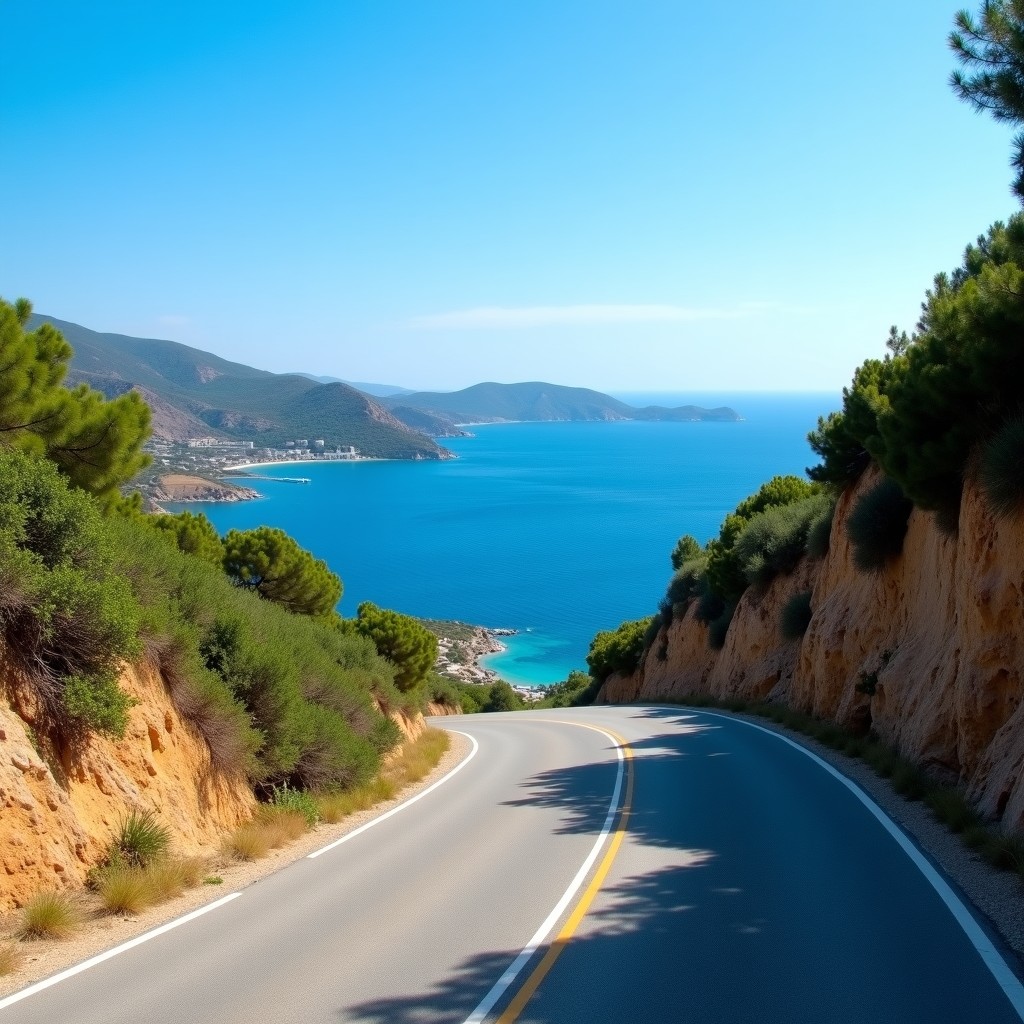
Rhodes, by contrast, is the largest of the Dodecanese islands at roughly eighty kilometres long. The interior is mountainous, with forested peaks rising to over twelve hundred metres. The drive from Rhodes Town in the north to Prasonisi in the south takes well over an hour, and the winding mountain roads between the east and west coasts demand concentration. If you enjoy scenic drives and do not mind hairpin bends, Rhodes is more rewarding. If you want to minimise time behind the wheel, Kos is the practical choice.
Both islands have bus networks connecting the main resorts to the principal towns. On Kos, the bus system is adequate for short trips but infrequent in the evenings and off-season. On Rhodes, the network is more extensive because the distances are greater, but buses still do not reach many of the smaller western beaches or the mountain villages. In both cases, hiring a car gives you far more flexibility. Compare the full hire quote, including deposits, excess, extras and any amount due locally, before choosing between driving and public transport.
Car Hire Practicalities on Each Island
Car rental on Kos is generally cheaper than on Rhodes due to lower demand and shorter distances. Economy cars start at very reasonable daily rates, and because the island is small, you will not rack up large fuel bills. On Rhodes, you might cover twice the distance in a typical day, and fuel costs add up. Four-wheel drive is unnecessary on Kos. On Rhodes, it is still not essential, but a vehicle with decent ground clearance is useful if you plan to visit remote western beaches or the mountain villages above Embonas.
Both islands have rental desks at their respective airports, though Kos Airport is smaller and the choice of suppliers is narrower. Rhodes Airport sees far more traffic and the major brands maintain larger fleets. In either case, booking online before arrival secures better rates and guarantees availability, especially in July and August when popular vehicle categories sell out weeks in advance.
Beaches Compared
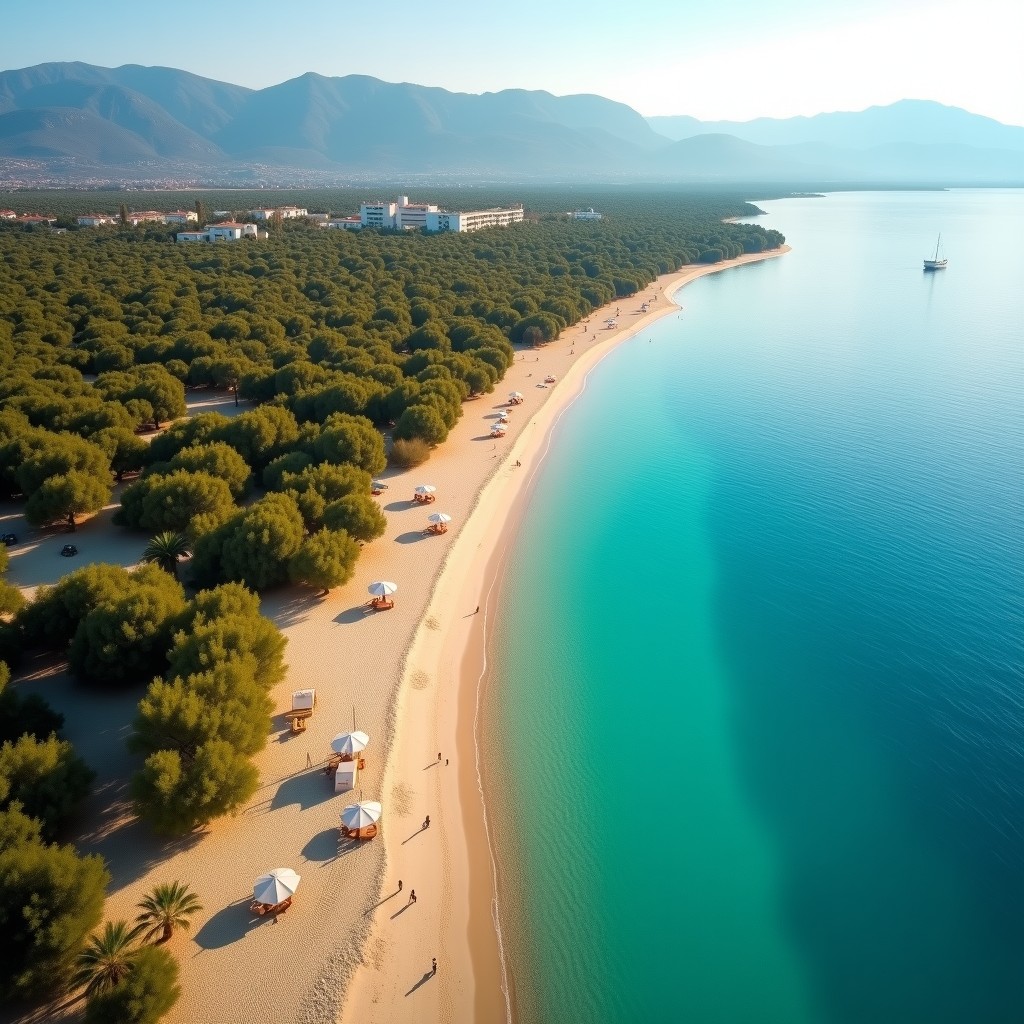
Kos has some excellent beaches, but they tend to be smaller and less dramatic than Rhodes. Tigaki Beach on the north coast is the standout: three kilometres of soft sand, shallow water, and a Blue Flag award. Marmari and Mastichari are quieter alternatives nearby. On the south coast, Exotic Beach and Agios Stefanos attract younger crowds with beach bars and water sports. Kefalos, at the southwestern tip, has a collection of pretty coves with a more relaxed, family-oriented vibe.
The drawback is that Kos lacks the sheer variety of Rhodes. The beaches are mostly sand or shingle with calm, shallow water, which is ideal for families but less exciting for snorkellers or surfers. The south coast is exposed to the meltemi winds in July and August, which can make swimming rough and sunbathing unpleasant on windy days.
Rhodes has a wider range of beaches spread across a much longer coastline. On the east coast, Lindos and Pefkos offer sheltered bays with clear water and a postcard setting beneath the acropolis. Faliraki is the party beach, with water sports, beach bars, and a younger crowd. Further south, Prasonisi is famous among windsurfers and kitesurfers for its strong cross-shore breeze and dual-sided beach. The west coast is wilder and less developed, with pebble beaches, turquoise water, and far fewer people. Anthony Quinn Bay, near Faliraki, is a small, rocky inlet that remains one of the most photographed spots on the island.
If your priority is calm, shallow water for young children, Kos has the edge. If you want variety, dramatic scenery, and the chance to find a secluded cove without walking for miles, Rhodes wins decisively.
History and Sightseeing
Kos is proud of its ancient heritage. The Asklepion, the healing temple dedicated to the god of medicine, is the island’s most important archaeological site. It sits on a hillside four kilometres west of Kos Town and offers both historical interest and excellent views across to Turkey. The Ancient Agora in Kos Town is scattered but atmospheric, with columns, mosaics, and a ruined castle. Neratzia Castle, at the entrance to Kos harbour, is a Crusader fortress with a small museum. The Casa Romana, a restored Roman villa with mosaic floors, is worth half an hour.
Yet Kos cannot compete with Rhodes for sheer density of historical interest. Rhodes Old Town is a UNESCO World Heritage site and one of the best-preserved medieval cities in Europe. The Palace of the Grand Master, the Street of the Knights, and the moat walls are genuinely impressive. Beyond the Old Town, the Acropolis of Rhodes, the ancient city of Kamiros, and the monastery at Tsambika offer further depth. Lindos Acropolis, perched above a whitewashed village, combines Greek, Roman, Byzantine, and Crusader remains in a spectacular clifftop setting.
For history enthusiasts, Rhodes is the obvious choice. You could spend a week exploring archaeological sites and still not see everything. Kos offers a gentler introduction to ancient Greece, with fewer crowds and a more relaxed pace.
Museums and Cultural Life
Both islands have archaeological museums, but Rhodes has more and better ones. The Archaeological Museum of Rhodes, housed in the Hospital of the Knights, contains important classical sculptures and pottery. The Museum of Modern Greek Art and the Decorative Arts Collection add cultural variety. Kos has a decent archaeological museum in the main square and a small Hippocrates museum, but the overall cultural offering is thinner.
Nightlife and Dining
Kos Town has a respectable nightlife scene concentrated around Bar Street and the harbour area. It is lively but not overwhelming, with a mix of cocktail bars, clubs, and late-night tavernas. Kardamena on the south coast is the main party resort, attracting a younger British and Scandinavian crowd. For food, Kos offers good Greek tavernas, fresh seafood, and a growing number of international restaurants. The nightlife shuts down fairly early outside July and August, which suits visitors who want a proper night’s sleep.
Rhodes has a broader nightlife spectrum. Faliraki is the island’s party capital, with clubs that stay open until dawn and a reputation for rowdy behaviour. Rhodes Town offers more sophisticated options, with rooftop bars, wine bars, and harbour-side restaurants. Lindos has a charming evening atmosphere, with rooftop dining beneath the illuminated acropolis. The food scene is richer on Rhodes, partly because of the larger population and the Italian influence. You will find excellent traditional tavernas, modern Greek cuisine, and surprisingly good pizza and pasta.
For couples and older travellers, Rhodes Town and Lindos offer a more refined evening experience. For younger groups who want clubs and all-night parties, both Faliraki and Kardamena deliver, though Faliraki is bigger and brasher.
Family Holidays
Kos is widely regarded as one of the most family-friendly islands in Greece. The beaches are safe, the island is compact, and the traffic is lighter than on Rhodes. Many hotels and resorts cater specifically to families with kids’ clubs, pools with slides, and babysitting services. The flat terrain makes cycling popular, and bike hire shops are everywhere. Medical facilities are good, with a modern hospital in Kos Town and several clinics in the main resorts.
Rhodes is also family-friendly, but the scale and traffic make it slightly less convenient for parents with very young children. The best family beaches, such as Pefkos and Stegna, are on the east coast. Rhodes Town is fascinating for older children who can appreciate the history, but the cobbled streets of the Old Town are a nightmare for pushchairs. The water parks in Faliraki are excellent, and the butterfly valley near Petaloudes is a pleasant nature excursion that appeals to younger visitors.
If you have toddlers or primary school-age children, Kos is probably the easier holiday. If your children are older and enjoy exploring castles, ruins, and a bit of independence, Rhodes offers more to keep them engaged.
Cost Comparison
In general, Kos is marginally cheaper than Rhodes for accommodation, car hire, and dining. The difference is not dramatic, but it adds up over a two-week holiday. Kos has fewer high-end luxury resorts, so the top of the accommodation market is less developed. Rhodes has more five-star options, particularly in Ixia and Kallithea, and correspondingly higher prices in those segments.
Car hire is consistently cheaper on Kos because distances are shorter and demand is lower. Restaurant prices are similar for mid-range tavernas, but Rhodes has more upscale dining that pushes average spending up. Excursions are similarly priced, though Rhodes offers more paid attractions, such as the Palace of the Grand Master and the Lindos Acropolis, which nudge the activity budget higher.
For travellers on a tight budget, Kos offers a perfectly enjoyable holiday at a lower total cost. For those willing to spend more for greater variety and spectacle, Rhodes justifies the extra expense.
When to Visit Each Island
The best time to visit both islands is May, June, or September. The weather is warm, the sea is swimmable, and the crowds are manageable. July and August are peak season everywhere in Greece. On Kos, the beaches become crowded and the wind can be bothersome. On Rhodes, the roads are busier, parking in Rhodes Town becomes stressful, and the most popular sites require patience.
October is still pleasant on both islands, though some hotels and restaurants begin to close towards the end of the month. April can be lovely but the sea is usually too cold for swimming. Winter is quiet, and many tourist businesses shut entirely. Only Rhodes Town remains active year-round.
Final Verdict: Kos or Rhodes?
Choose Kos if you want a relaxing, low-stress holiday with safe beaches, short drives, gentle cycling, and a friendly, laid-back atmosphere. It is ideal for families with young children, couples who want peace, and anyone who dislikes long drives and heavy traffic. Kos is also the better choice if you are on a tighter budget and prefer simplicity over spectacle.
Choose Rhodes if you want variety, drama, and history. The medieval Old Town, the mountain villages, the windswept west coast, and the sheer range of beaches make it the more compelling destination for active travellers. It suits families with older children, history enthusiasts, couples who enjoy romantic evening strolls through cobbled streets, and anyone who wants a fuller, more layered Greek island experience.
Either way, hiring a car is the best way to explore properly. At Kos Car Hire, we serve both islands with transparent pricing, reliable vehicles, and the honest advice you need to plan the right trip. Browse our Kos road trip routes and car hire guides to start building your perfect Dodecanese holiday.
Ready to book? Visit our homepage for the best hire car deals.