
Driving in Kos: Essential Rules, Road Conditions and Local Tips for 2026
Driving in Kos: What Every Visitor Needs to Know
Kos is one of the most car-friendly Greek islands. The roads are mostly flat, distances are short and the scenery makes every drive feel like part of the holiday. But renting a car and actually driving here are two different things. Local habits, seasonal traffic and a few island-specific quirks catch first-timers off guard every summer.
This guide covers everything you need to know before you turn the key: the real road conditions, speed limits that matter, parking zones in Kos Town and the unwritten rules locals follow. Read it once and you will drive like you have been doing it for years.
Road Conditions Across Kos
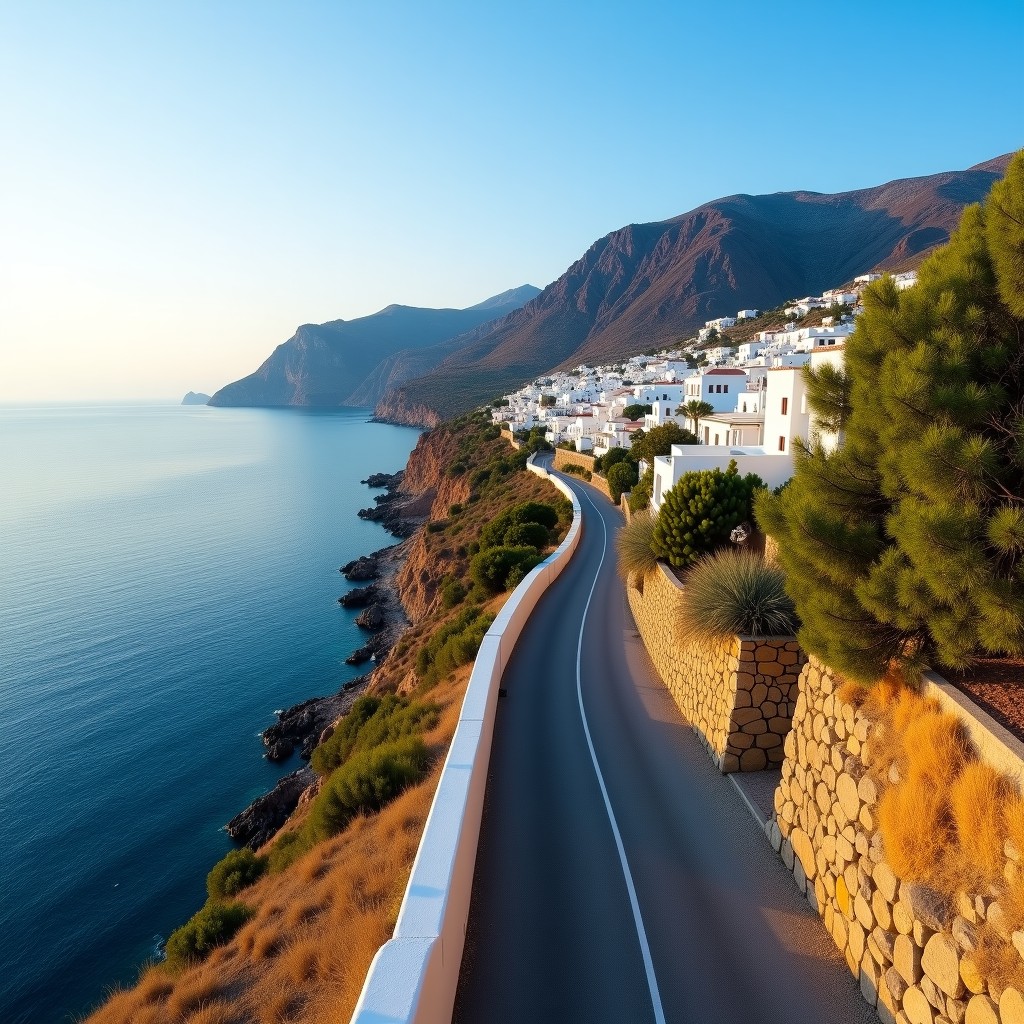
The island has one main coastal artery that runs from Kos Town in the northeast all the way to Kefalos in the southwest. It is paved, well-signed and perfectly fine for any rental car. Most visitors never leave this road. But if you do, here is what to expect.
Coastal Main Road (Kos Town to Kefalos)
This is the backbone of Kos driving. Two lanes in each direction for most stretches, smooth asphalt and clear signage in both Greek and English. You will share it with scooters, local buses and the occasional tractor. Speed limit is 50 km/h through villages and 90 km/h on the open stretches. It is not a motorway, so overtaking requires patience and a clear view.
Inland and Mountain Roads
Head up to Zia, Pyli or Asfendiou and the character changes quickly. The road to Zia is paved but narrow, with tight bends and barely any barrier between you and the drop. The views are spectacular, but this is not a road for rushing. If you are driving up for sunset, leave early. The light fades fast in the mountains and local drivers know every bend.
The road from Pyli to Antimachia is rougher in patches. A few sections are gravel-strewn after winter rain. A standard economy rental handles it fine, just take it slow and watch for potholes at the edges.
Rural Roads to Smaller Beaches
Tracks leading to remote coves like those near Kefalos or the southern tip at Psalidi can be unpaved or partially paved. They are passable in a regular car during dry weather but turn slippery after rain. If you see a sign that says “no vehicles beyond this point,” respect it. The rental agreement almost certainly excludes damage on unsealed roads.
Speed Limits and Traffic Rules
Greece drives on the right and Kos is no exception. The rules are standard European, but enforcement is patchy and local driving style is relaxed to the point of chaos.
- Built-up areas: 50 km/h. This includes every village and town, even if the road looks open.
- Open roads: 90 km/h. Only on the main coastal highway between built-up zones.
- Motorways: 120 km/h. Not applicable on Kos, there are no motorways on the island.
- Blood alcohol limit: 0.05%. Strictly enforced. For drivers with less than two years’ experience, it is 0.02%. One beer can put you over.
- Phone use: Hands-free only. Fines start at €100 and climb fast.
- Seat belts: Mandatory for all passengers. The rental company checks before you leave the lot.
What Local Drivers Actually Do
Indicators are optional. Overtaking on blind corners happens. Scooters weave between lanes without warning. The best defence is to expect the unexpected and never drive faster than you can stop. The good news is traffic is light outside July and August. In peak season, the main road from Kos Town to Tigaki and Marmari crawls from mid-morning to late afternoon.
Parking in Kos Town: The Real Story
Kos Town is the one place on the island where parking genuinely frustrates visitors. The old centre is a maze of one-way streets, blue parking zones and resident-only spots that are not always well-marked.
Paid Zones
Blue lines on the kerb mean paid parking. Rates are roughly €1 to €2 per hour in the centre, dropping to €0.50 per hour further out. Machines accept coins and some accept cards, but coins are your safest bet. Keep small change in the car. The harbour front is the worst for parking in summer. It is technically allowed in some stretches but spaces disappear by 9am and towing is aggressive.
Free and Cheap Options
The large car park near the Castle of the Knights at the harbour entrance charges around €3 to €5 for a full day. It is secure, shaded and worth every cent in July. For free parking, head toward the municipal stadium area or the streets behind the ancient agora. Agios Fokas, about five minutes’ drive east of the centre, has free roadside parking and a good beach taverna.
Overnight Parking
If your hotel does not include parking, the 24-hour car park near the port is the safest overnight option. Street parking is generally fine after 8pm when the paid zones stop charging, but avoid leaving anything visible inside the car.
Fuel Stations: Where and When to Fill Up
There are petrol stations along the main coastal road at roughly 10 to 15 kilometre intervals. Kos Town has several. Prices track the mainland closely, usually around €1.70 to €1.90 per litre for unleaded 95 during summer 2026.
Most stations are full-service. Attendants fill the tank while you wait. Some accept cards at the pump but rural stations often prefer cash. Fill up before you head to the remote southwest or the mountain villages. Running low near Kefalos with the tank light on is a bad idea, there is only one station out that way.
Scooters and Quads: Share the Road
Renting a scooter or quad is popular on Kos, especially with younger visitors. They are everywhere in summer and they do not always follow predictable lines. Give them space, especially on bends. If you are tempted to rent one yourself, know that a car licence does not legally cover a 125cc scooter in Greece. You need a motorcycle licence or an A-category endorsement. Police occasionally checkpoint near Tigaki and Marmari in peak season.
Car Hire Tips Specific to Kos
Before you book, check what is included. The best deals come with full insurance, no excess and free cancellation. Compare suppliers and lock in a competitive rate early, prices rise sharply from June onward.
- Airport pickup: Kos Airport (KGS) is small and efficient. Most rentals are collected from desks inside the terminal or a short shuttle ride away. Kos Airport car hire is the easiest way to start your trip.
- Ferry port: If you are arriving by ferry from Bodrum or Rhodes, Kos Ferry Port car hire lets you pick up right by the harbour.
- Size matters: A compact car is perfect for Kos. Parking in Kos Town and village streets is tight. SUVs are overkill unless you are travelling with a large family.
- Air conditioning: Non-negotiable in July and August. Confirm it works before you leave the lot.
Seasonal Driving: When to Visit and What to Expect
Spring (April to May) and autumn (September to October) are the sweet spots. Roads are quiet, temperatures are mild and parking is easy. June through August is hot, busy and expensive. The main road slows to a crawl near Tigaki and Marmari most days. September evenings are beautiful for mountain drives to Zia.
Winter is very quiet. Some rental offices close from November to March. If you are visiting off-season, confirm your booking directly with the supplier.
Safety: The Honest Version
Kos is safe to drive. Petty theft from parked cars is the main risk, and it is preventable. Do not leave bags, phones or cameras on display. Lock the doors even if you are just popping into a taverna. The police presence is visible in Kos Town but largely focused on scooter licences and drink-driving checkpoints.
Emergency number is 112. Roadside assistance is included with most rental packages, but check the terms. The island is small enough that a breakdown is an inconvenience, not a disaster.
Top Driving Routes Worth Your Time
Once you are comfortable, these routes reward the effort:
- Kos Town to Kefalos via the Coast: 40 kilometres of uninterrupted Aegean views. Stop at Tigaki for the shallow lagoon, Mastihari for a seafood lunch and Kefalos for the peninsula beaches.
- Kos Town to Zia at Sunset: 15 kilometres uphill through pine forest. The village has tavernas with terraces facing west. Book a table in advance in summer.
- Kos Town to Psalidi and Beyond: The thermal springs at Therma are 10 kilometres east. The road is flat and easy. Park at the free lot and walk the last 200 metres down to the rocks.
Frequently Asked Questions
Do I need an International Driving Permit for Kos?
EU licence holders do not. UK, US, Australian and Canadian visitors should carry an IDP alongside their national licence. Most rental desks do not ask for it, but if police stop you, they will.
Is driving in Kos safe for first-timers?
Yes. The roads are straightforward, distances are short and the island is well-signed. The only challenge is Kos Town parking in peak season.
What side of the road do they drive on in Kos?
The right, same as mainland Greece and most of Europe.
Are there toll roads on Kos?
No. The island has no tolls or vignette requirements.
Can I take a rental car on the ferry to other islands?
Most rental agreements prohibit ferry transport. If you want to visit Nisyros or Kalymnos, take the ferry as a foot passenger and rent separately on arrival. The Kos to Nisyros day trip guide covers the ferry option.
How much does fuel cost in Kos?
Expect €1.70 to €1.90 per litre for unleaded 95 in summer 2026. Diesel is slightly cheaper.
Related Destinations
Looking for more Kos inspiration? Explore Kos beaches, plan a 5-day road trip itinerary or compare Kos Town car hire for your base. If you are deciding between islands, see our Kos or Rhodes comparison to pick the right one for your holiday.
Ready to book? Visit our homepage for the best hire car deals.