
10 Best Things to Do in Kos with a Hire Car
Most guides to Kos tell you the same 10 things: visit the castle, go to Zia, swim at Tigaki. That’s fine as far as it goes, but if you’ve got a hire car and a week to explore, you can do a lot better than the standard tourist circuit. Kos is one of those islands that reveals itself slowly — the more you drive, the more you find. Hidden beaches, free castles that nobody visits, mountain villages that haven’t been Instagram-discovered yet, and a thermal spring beach that feels like swimming in a warm bath while the Aegean crashes around you.
Here’s a genuinely useful guide to doing Kos properly with a hire car — with specific driving directions, parking tips, and honest assessments of what’s worth your time.
Kos Town: Park Near the Stadium, Walk the Old Town
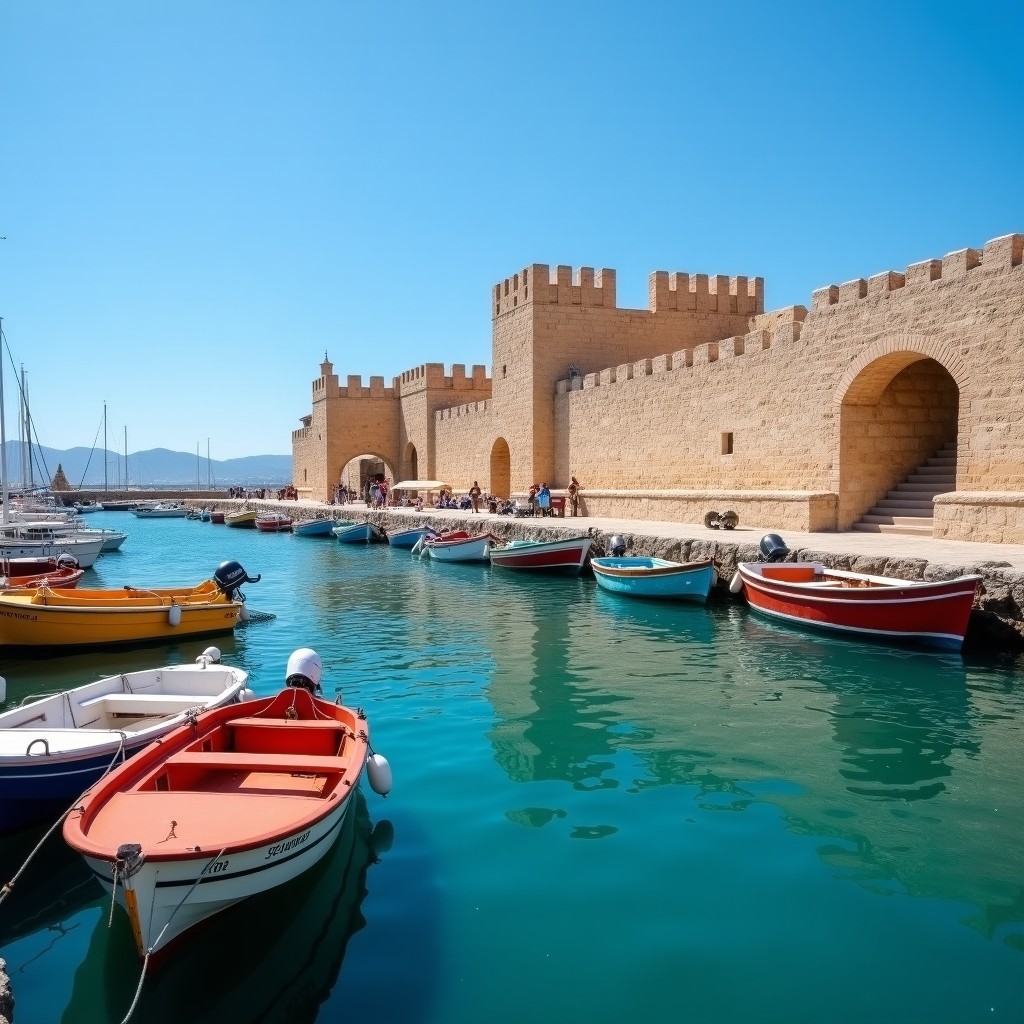
Most visitors base themselves in or near Kos Town but don’t actually explore it properly, which is a shame. The old town rewards a slow wander — narrow pedestrian streets, whitewashed buildings draped in bougainvillea, the impressive Castle of the Knights sitting at the harbour entrance, and the Roman Odeon (an intimate ancient theatre that still hosts performances in summer). The Tree of Hippocrates in the central square, supposedly 2,500 years old and one of the oldest trees in Europe, is worth seeing too.
Parking: the town centre is pedestrianised in places and parking is tight near the harbour. The best move is to park at the large free car park adjacent to the Olympic stadium, about a 10-minute walk from the old town centre. From there you can walk to everything — the harbour, the castle, the Roman ruins, the market. The stadium car park is well-known to locals but underused by tourists who end up circling the harbour area for 20 minutes.
Allow half a day. Morning is ideal — the harbour is quieter before the excursion boats depart, and the castle catches good morning light. Arrive by 9am if you can.
Asklepion Ruins: Easy Drive, Park Outside, Walk In
The Asklepion is one of the most important archaeological sites in Greece — an ancient healing sanctuary built in honour of Asclepius (god of medicine) and closely associated with Hippocrates, who is said to have studied and taught here. It sits on a hillside a few kilometres south-west of Kos Town, with sweeping views across the Aegean to the Turkish coast.
To get there from Kos Town: head west out of town on the main road, then follow signs south for Asklepion (it’s well-signposted). The drive takes about 10-15 minutes. There’s a paid car park at the bottom of the site — a few euros, and you walk up through the trees to the ruins. It’s not a long walk but there are steps, so comfortable shoes help.
The site itself is spread across three terraces — temples, altars, baths, a gymnasium — with the centrepiece being a large Doric temple at the top that has been partially reconstructed. Entry is around €8 for adults. Allow 1.5-2 hours. Best visited in the morning before the tour groups arrive, or late afternoon when the light softens and most visitors have left. Bring water — it gets hot in the open sun.
Kefalos Village: Worth the Drive to the West End
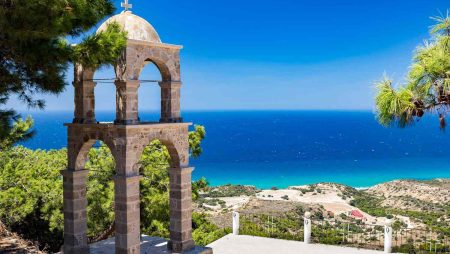
Most people who make it to the western end of Kos go straight to Kefalos beach (Kamari) and miss the village itself, which sits on a hill above the coast with views that go on forever. Kefalos is a proper working Greek village — a couple of good tavernas, a windmill, a Byzantine church, and views across the sea to the island of Nisyros. It feels completely different from the resort areas on the north coast.
The drive from Kos Town takes 40-45 minutes along the southern coastal road — allow a bit more if you stop for photos, which you will. The road climbs and winds as you approach Kefalos village. Park in the village square (free, usually space available) and walk around. Have lunch at one of the village tavernas rather than the beachfront ones — the food is often better and cheaper, and the view from the terrace is better anyway.
Combine it with Kefalos beach below and the ruins at Agios Stefanos. That’s an easy full day from Kos Town, and one of the most satisfying days you can spend on the island.
Zia Village: Drive Up for Sunset, Stay for Dinner
Zia is Kos’s most famous mountain village and it genuinely earns the reputation. Perched in the Dikeos mountain range at around 300 metres, it looks out over the entire north coast — on a clear day you can see across to Turkey, and on a very clear day, even the faint outline of other islands. The sunset from here is spectacular in a way that photographs don’t quite capture, because it’s not just the sky — it’s the whole island laid out below you in the golden light.
To get there from Kos Town: head west along the main north coast road for about 15km, then turn inland following signs for Zia. The road climbs steeply through olive groves and then pine forest, with hairpin bends that require some attention but no special skill. The drive takes 30-35 minutes from Kos Town. From Kardamena or the southern coast, add 10-15 minutes.
Parking in Zia is at the bottom of the village (follow the signs). Walk up from the car park through the village to the tavernas on the top terrace. Aim to arrive by 6-6:30pm in summer to get a table before the sunset rush. The village fills up for sunset and the tavernas on the top terrace — particularly the ones facing west — get packed. Arrive early, order some mezze and local wine, and settle in. The sunset itself is worth the wait. Then have dinner up there and drive back in the dark — the road is perfectly navigable and the stars are extraordinary once you’re away from the coast lights.
Antimachia Castle: Free, Often Empty, Genuinely Impressive
This is one of the best-kept secrets on Kos. Antimachia Castle is a well-preserved Byzantine/Knights of St. John fortification sitting on a promontory in the centre of the island, with massive walls and towers still largely intact. Unlike the castle in Kos Town, it’s free to enter, there’s rarely anyone else there, and you can walk around the full circuit of the walls with views across the island in every direction.
Getting there from Kos Town: take the main road west for about 20km to the village of Antimachia. The castle is signposted off the main road, about 1km from the village. Drive to the car park (free, small, usually empty), walk through the main gate, and the castle is yours. There are no facilities — no ticket office, no café, no guided tours — just old walls, Byzantine ruins, a small chapel, and the sound of goat bells from the surrounding fields.
Allow 1-1.5 hours. Best visited in the morning or late afternoon. It combines perfectly with a stop at Kefalos beach or the western beaches on the same day — it’s basically on the route between Kos Town and the western end of the island. Pack water and sun protection as there’s limited shade.
Psalidi Thermal Springs: Swimming in Warm Water
About 5km east of Kos Town along the coast road is Psalidi, and just off the rocky shoreline here, volcanic thermal springs bubble up through the seabed, creating genuinely warm patches in the sea. It’s one of the most unusual swimming experiences in Greece. The water temperature in the springs can reach 40-45°C in places, mixing with the cooler sea water to create patches that feel like a warm bath.
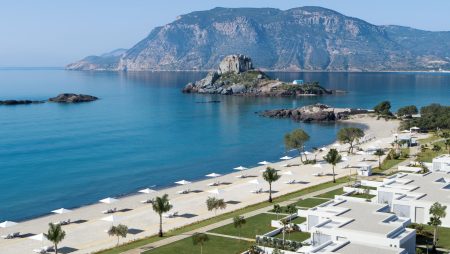
The beach itself is pebbly rather than sandy, which keeps the crowds lighter than the sandy beaches. There’s a more developed thermal spa complex (Thermes) nearby where you can pay for proper pool treatments, but the sea springs are free — just wade in near the rocks on the south side of the beach and find the warm patches. They’re marked by slightly discoloured water and you can feel the temperature difference immediately.
Drive east from Kos Town along the coast road for about 5km. The area is signposted. Parking is informal but easy — pull off the road near the shore. Bring water shoes as the rocky entry can be uncomfortable in bare feet. The springs are most impressive in cooler weather when the temperature contrast is dramatic, but they’re worth experiencing any time of year. Allow 1-2 hours.
The Salt Flats: Flamingos and Wide Open Skies
Between Mastichari and Antimachia, a short detour takes you to Kos’s salt flats — a flat, shallow wetland area that in spring and autumn hosts hundreds of flamingos. Even if you visit in summer when the flamingo numbers are lower, the landscape is striking: windmills, flat water reflecting the sky, a complete absence of tourist infrastructure. It’s one of those places that feels genuinely off the main circuit.
From the main north coast road, the salt flats are visible from the road between Mastichari and Antimachia — just pull over at the viewing areas (there are a couple of informal lay-bys). No entry fee, nothing to buy, nothing to do except look at flamingos and think about how strange and beautiful the world is. Takes 15-20 minutes. Worth it.
Agios Theologos Beach: The Far Western Tip
If you want to find the end of the road on Kos, drive to Agios Theologos. It’s at the very tip of the island’s western peninsula, past Kefalos, down a road that gets progressively more narrow and rural until you arrive at a small bay with a single taverna and a pebble beach facing south-west into open sea.
The beach is not Kos’s best for swimming — it faces the prevailing wind and can be choppy. But the taverna (one of the most beloved local spots on the island) serves excellent traditional food, particularly the grilled meat and fresh bread, and the view from the terrace is extraordinary. It’s the kind of place where you end up staying much longer than planned.
From Kefalos village, follow the road south and west — it’s signposted but the signs are small. The road is narrow in the final section but tarmac, fine for any hire car. Allow 15 minutes from Kefalos. Best for lunch or early dinner rather than a swim. The sunsets from here, facing west over open water, are as good as Zia if not better — just much less crowded.
A Day Doing the Mountain Circuit
If you want to see a different side of Kos entirely, spend a day doing the mountain circuit: drive inland from Kos Town via the Asklepion, up to Zia for lunch, across to Antimachia Castle, down to Kefalos for a swim, and back east along the southern coast. You’ll see ancient ruins, mountain villages, a medieval castle, a beautiful beach, and be back in time for dinner — all in a day’s driving that totals maybe 100km.
The route naturally flows west: Kos Town → Asklepion (20 mins) → Zia (35 mins) → Antimachia Castle (20 mins) → Kefalos beach (15 mins) → back east along the south coast to Kos Town (45 mins). It’s a proper island day, and it shows you why having a hire car in Kos is fundamentally different from having a bus pass.
Get your hire car sorted before you fly — Kos Airport car hire is the most convenient pickup point. You can also pick up from Zia, Kefalos, Tigaki, and Mastichari.
Frequently Asked Questions
Is Kos a good island to explore by car?
Absolutely. It’s small enough to explore comprehensively, with good roads and short distances between attractions. You can genuinely see most of the island’s highlights in a week without rushing.
Are the mountain village roads difficult to drive?
The roads to Zia and other villages are winding and narrow in places, but perfectly manageable in a standard hire car. Just take your time on the bends and don’t try to rush it.
What’s the best time of day to visit Zia?
Late afternoon to evening — aim to arrive around 6pm in summer to explore the village, then stay for sunset and dinner. The light is best and the atmosphere is at its peak.
Is Antimachia Castle worth visiting?
Yes, particularly if you’re already driving past it on the way to the western beaches. It’s free, impressive, and usually almost empty — a very different experience from the more touristy castle in Kos Town.
Can I drive to all the places in this guide in one week?
Yes, comfortably. Most of these can be combined into 3-4 day trips from a central base. Kos is small enough that nothing feels like it requires a special journey.