
Driving in Greece Tips for UK Tourists | Kos Car Hire
Introduction to Driving in Kos
Greece is a spectacular destination for a road trip, and the sun-drenched island of Kos offers the perfect blend of ancient history, golden beaches, and charming mountain villages. For UK tourists, hiring a car is undoubtedly the best way to escape the busy resorts and discover the hidden coves and traditional tavernas dotted along the coastline. However, driving in Greece does come with a few quirks that differ from what you might be used to back home. From adjusting to the opposite side of the road to navigating narrow mountain passes, this comprehensive guide will ensure you are fully prepared for your Greek island adventure. With reliable car hire, freedom is just a turn of the key away.
Driving on the Right: Adjusting to the Greek Roads
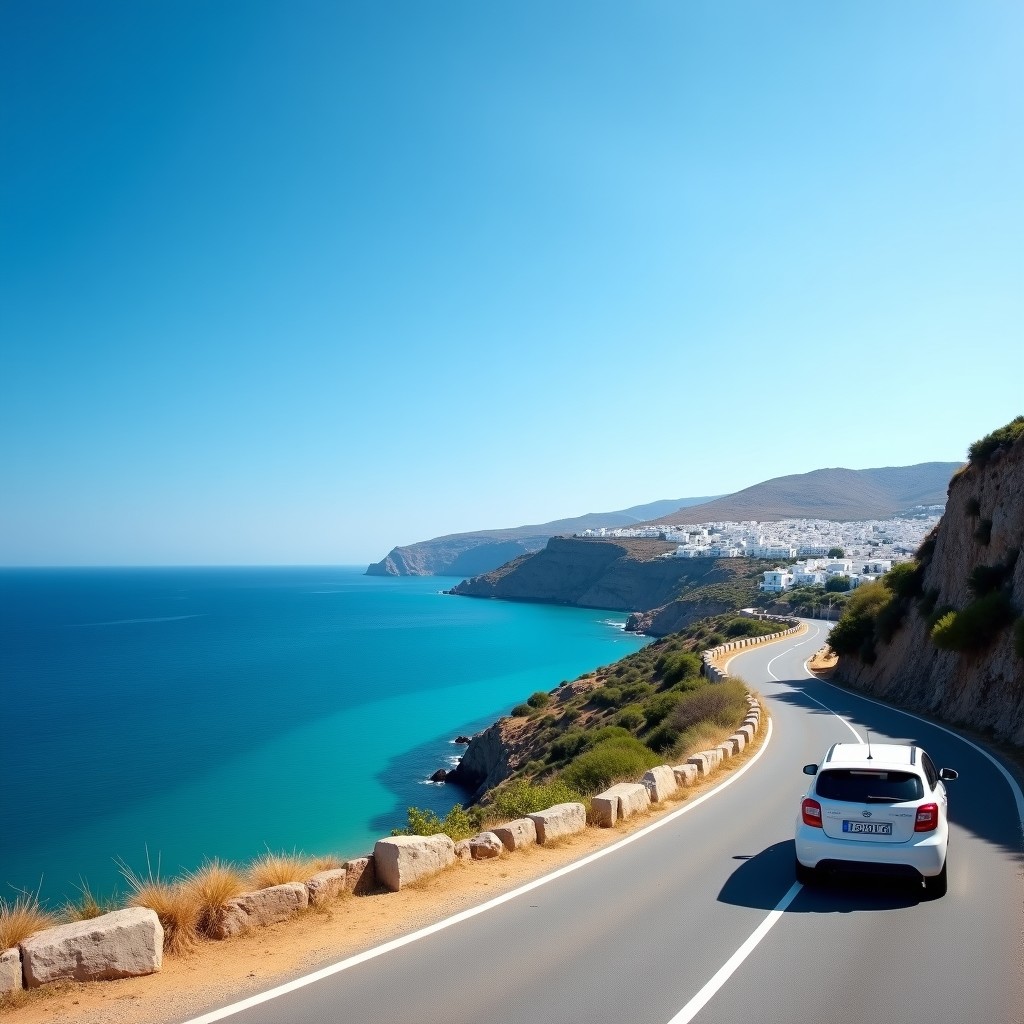
The most significant adjustment for UK drivers in Greece is that you will be driving on the right-hand side of the road. This means the driver’s seat is on the left side of the vehicle, and you will need to navigate roundabouts and junctions in the opposite direction. When entering a roundabout, traffic already on the roundabout has the right of way, and you must circulate anti-clockwise. A helpful trick is to always remember that the centre line of the road should always be on your right side. Take extra care at intersections and when turning, as your instincts will naturally pull you toward the left side of the road. Start slowly, take deep breaths, and within a few hours, the new rhythm of driving on the right will feel entirely natural.
UK Licence Requirements for Car Hire
One of the most common questions from British travellers is whether they need an International Driving Permit (IDP) to drive in Greece. Fortunately, the rules are straightforward for UK licence holders. Since the UK left the EU, a standard UK photocard driving licence is still perfectly acceptable for hiring a car and driving in Greece, provided your licence is in the Roman alphabet. You generally do not need an IDP unless you hold an older paper licence without a photograph. However, always ensure your licence has been valid for at least a year, as this is a standard requirement across most car hire companies. It is also highly recommended to carry your passport when driving, as local authorities may request it alongside your licence if you are stopped.
Decoding Greek Road Signs
Driving in Kos is made much easier by the fact that almost all major road signs are bilingual, displaying both Greek and English text. You will quickly recognise familiar European-style signage, which uses standard pictograms for warnings, prohibitions, and mandatory directions. However, there are a few local nuances to be aware of. A triangular sign with an exclamation mark simply means “danger” or “caution ahead,” which could be anything from a sharp bend to stray animals on the road. Yellow signs indicate temporary diversions or roadworks, while white signs with red circles are prohibitive. Keep an eye out for the “No Parking” sign, as local traffic wardens are vigilant, particularly in the main town.
Understanding Speed Limits
Speed limits in Greece are strictly enforced, and speeding fines can be hefty. On the island of Kos, you will encounter the following standard speed limits, unless a sign dictates otherwise:
- Built-up areas (towns and villages): 50 km/h
- Rural roads (outside built-up areas): 90 km/h
- Motorways (not applicable on Kos, but good to know for mainland driving): 130 km/h
While the island’s roads might seem quiet, you should always adhere to these limits. Speed cameras are becoming increasingly common, and local police frequently set up random checkpoints. Remember, your car hire agreement makes you responsible for any fines incurred during your rental period, so drive responsibly.
Parking in Kos Town
Parking in Kos Town can be a bit of a challenge during the peak summer months, but it is by no means impossible. The most important rule to remember is that you must not park within 3 metres of a fire hydrant, and you should always park on the right side of the road in the direction of traffic. Blue lines on the road indicate paid parking zones. You will need to purchase a ticket from a nearby meter or kiosk and display it on your dashboard. White lines usually denote free parking, though spaces fill up incredibly fast. Yellow lines mean strictly no parking or stopping at any time. If you are visiting Kos Town for the day, aim for the large open car parks near the harbour or the castle early in the morning to secure a stress-free spot.
Finding Fuel Stations on the Island
Unlike the UK, where petrol stations are ubiquitous, fuel stations on Greek islands can be surprisingly sparse. There are only a handful of petrol stations on Kos, with the majority located on the main roads just outside of Kos Town, along the southern coast near Kefalos, and in the centre of the island. It is vital not to let your fuel gauge drop too low before filling up. Additionally, many smaller fuel stations close on Sundays and during the traditional afternoon siesta hours (roughly 14:00 to 17:00). While modern stations in tourist hotspots might accept credit cards, cash remains king on the islands. Always carry some euros to ensure you don’t get caught out. When you return your car hire, check your contract—most companies operate a full-to-full fuel policy, meaning you must return the car with a full tank to avoid steep refuelling surcharges.
Navigating Mountain Roads Safely
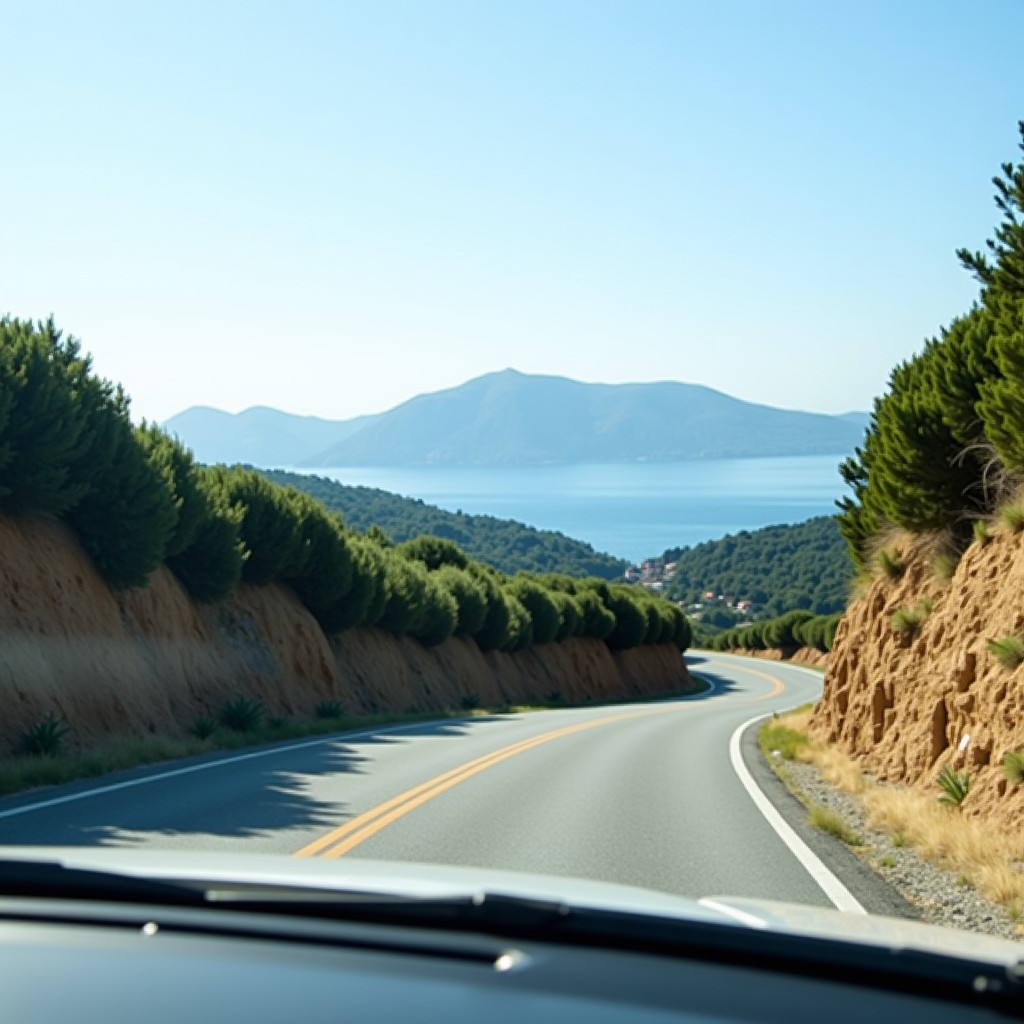
The mountainous interior of Kos is breathtaking, with the winding road up to the village of Zia offering some of the best sunset views on the island. However, mountain roads in Greece require a different approach to driving. These roads are often narrow, lacking in crash barriers, and feature tight hairpin bends. Visibility can be severely limited, so you must stay well within your lane and use your horn on sharp, blind bends to alert oncoming traffic. It is also common to encounter slow-moving agricultural vehicles, scooters, and even flocks of sheep. If you are driving a manual car, use low gears when ascending to prevent the engine from labouring, and rely on engine braking when descending to save your brakes from overheating. Take your time, enjoy the scenery, and pull over safely if locals are tailgating you.
Insurance Tips for Your Car Hire
When booking your car hire, insurance is a topic you cannot afford to overlook. Cover and excess vary by supplier and vehicle; check the included protection and your liability in the selected offer. If you need more protection, compare the terms, exclusions and cost of optional cover before adding it. Always read the fine print carefully. Check the full quote for amounts due now and locally, deposits, extras and any conditional charges. Furthermore, life is unpredictable, and travel plans can change at the last minute. If your plans may change, compare the selected offer’s cancellation deadline and any fee before booking. Finally, be aware that tyres, windscreens, and undercarriage damage are frequently excluded from standard CDW; ensure your policy covers these elements, especially on rough mountain tracks.
Breakdown Procedures: What to Do If the Car Fails
Breaking down in a foreign country can be daunting, but preparation makes all the difference. First, safely steer your vehicle to the side of the road and turn on your hazard lights. If you have a reflective triangle, place it at least 30 metres behind the car to warn approaching drivers, and put on your high-vis vest before exiting the vehicle. Your car hire agreement will include an emergency contact number—call this immediately. Do not attempt major repairs yourself, as this could void your insurance. If you are involved in an accident, no matter how minor, you must call the police on 100. Do not move the vehicles until the police have attended, and ensure you exchange details with the other driver and note down any witness information. The European emergency number 112 can also be used to reach all emergency services.
Ferry Driving: Island Hopping by Car
Kos is brilliantly positioned for island hopping, with regular ferry connections to Kalymnos, Leros, Patmos, and the larger island of Rhodes. If you plan to take your car hire on a ferry, there are a few essential steps to follow. First and foremost, you must check your rental agreement or speak directly to your provider. Some companies strictly prohibit taking their vehicles on ferries, while others allow it but require you to declare your intention in advance. If you take a car on a ferry without permission and it gets damaged, your insurance will be completely void. When booking your ferry tickets, ensure you purchase a ticket for the specific dimensions and type of your vehicle. Upon arrival at the port, the ferry staff will direct you to park, often packing cars tightly. Make sure you engage the handbrake, leave the car in gear, and do not lock the doors in case the crew needs to move your vehicle. Remember to turn off your headlights when parked on the car deck!
Related Destinations
Ready to explore every corner of this magnificent island? Secure your vehicle and start planning your routes. Discover the vibrant capital with our guide to car rental in Kos. If you want to stay close to stunning beaches and a bustling harbour, check out options for car rental in Mastihari. For serene white sand dunes and laid-back tavernas, explore car rental in Tigaki. Finally, to chase the most spectacular sunsets on the island, arrange your car rental in Zia and head for the mountains.
Ready to book? Visit our homepage for the best hire car deals.