
Kos to Bodrum Day Trip | Ferry, Drive & What to See
Bodrum can be explored on foot from the ferry terminal, or with local transport for a longer peninsula trip. Taking a Kos rental car into Turkey requires the selected supplier’s written cross-border permission and a ferry sailing that carries vehicles.
This guide covers the full logistics: ferry timetables and tickets, Bodrum city itself, driving the peninsula’s coastal road, and what you need to know about taking a rental car between Greece and Turkey.
The Kos to Bodrum Ferry Crossing
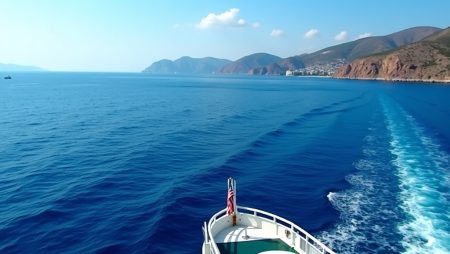
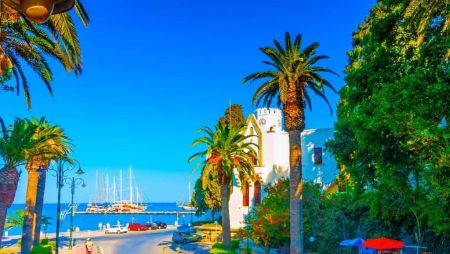
The ferry from Kos to Bodrum departs from Kos Town harbour (the main port, opposite the Knights’ Castle) and arrives at Bodrum’s ferry terminal — a 5-minute walk from the city centre. The crossing takes 20 minutes to 1 hour depending on which operator you use and the vessel type.
Highspeed catamaran services (Dream of Bodrum, Bosphorus Sea Lines) complete the crossing in 20–30 minutes. Car ferries take about 50 minutes. In peak season (July–August), there are up to 10 crossings per day. In shoulder season (May–June, September–October), schedule is reduced — typically 4–6 crossings daily.
Check current passenger and vehicle fares for the exact ferry sailing. Confirm the operator accepts your vehicle category and that the rental supplier gives written permission for the Turkey crossing before buying a vehicle ticket.
Do You Need a Car to Visit Bodrum from Kos?
You don’t need a car to visit Bodrum city itself — the town is walkable, compact, and the main sites (Bodrum Castle, the bazaar, the marina) are all within a 10-minute walk of the ferry terminal. A car becomes genuinely useful if you want to explore beyond Bodrum city, particularly the peninsula’s coastal villages and beaches.
Here’s the practical reality: Bodrum’s city centre has limited and expensive parking. If you’re planning to stay in Bodrum city and just walk around, skip the car and take the highspeed ferry as a foot passenger. If you want to visit Gumusluk for lunch by the water, see the fishing village of Yalikavak, or explore the peninsula’s quieter bays, bring the car on the ferry.
Driving in Turkey from Bodrum
Once you’re through the port and have your car on Turkish soil, the first thing to note: Turkey drives on the right. If you’ve been driving on the left in Greece, this takes a moment of adjustment — especially on roundabouts and when overtaking. The speed limit on main roads is 90–100 km/h, and speed cameras are common on open stretches.
Tolls: Turkey uses the HGS (Hızlı Geçiş Sistemi) electronic toll system. Most car rental vehicles in Turkey have an HGS device pre-installed. You’ll be billed for tolls when you return the car — typically a few euros for the Bodrum peninsula roads. Confirm with your Turkish rental company that HGS is included and whether there’s a daily cap.
Documentation: Check the current entry, licence and vehicle-document requirements for Turkey with the relevant authorities and ferry operator. Ask the selected rental supplier in writing whether Turkey travel is permitted, what cover applies and what documents or charges are required.
Bodrum City: What to See and Do
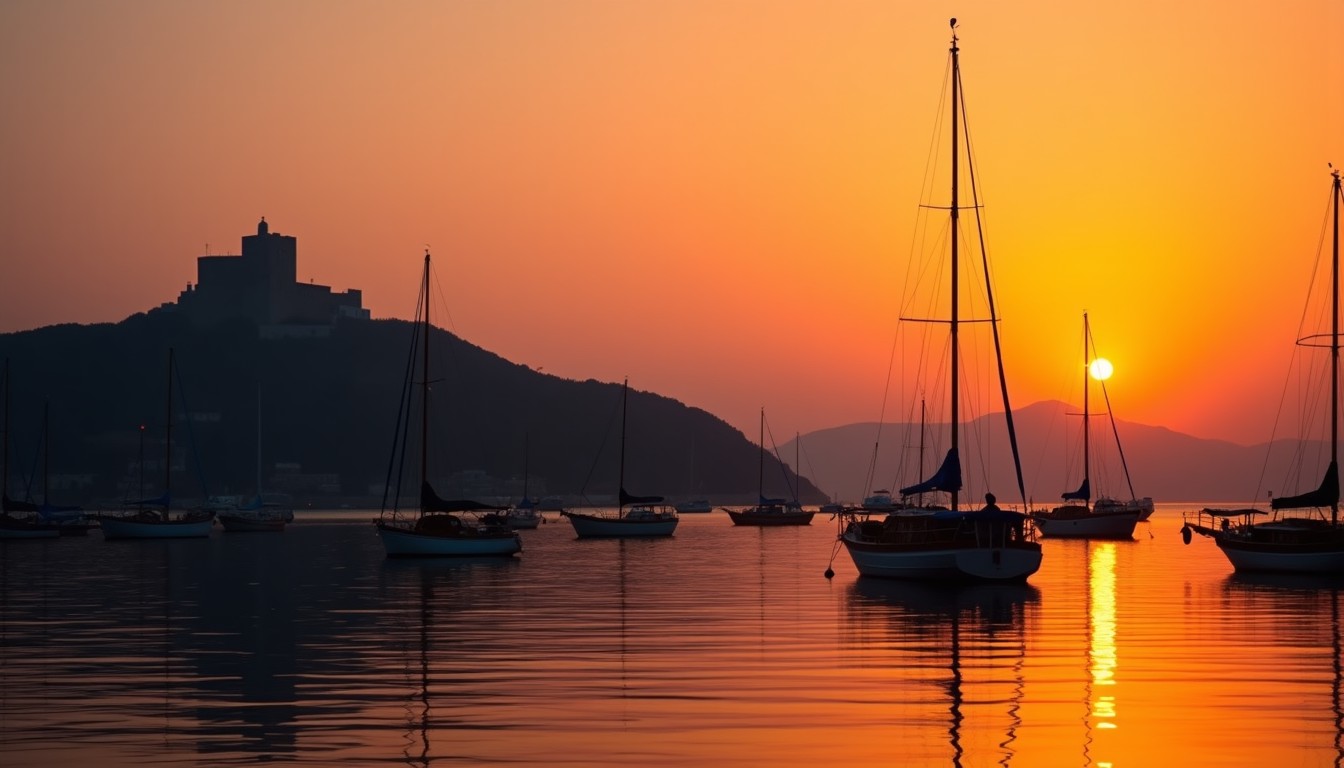
Bodrum Castle (Bodrum Kalesi) dominates the harbour — a Crusader-era fortress built from the stones of the ancient Mausoleum at Halicarnassus, one of the Seven Wonders of the Ancient World. The castle houses the Museum of Underwater Archaeology, which is genuinely excellent — well-curated exhibits on Byzantine shipwrecks, amphora dating, and the Uluburun shipwreck find. Allow 2 hours here. Entry is around 100 Turkish Lira (approximately €2.50–€3 at current rates — Turkey’s lira has been volatile, check the current exchange rate before you go).
The Bodrum Marina sits alongside the castle — a sleek modern harbour with yachts from across the Mediterranean. Morning is the best time to walk the marina and see it before the day’s heat. The Bodrum Bazaar (traditional market) is open every Tuesday and Saturday — it’s a covered market with spices, textiles, leather goods, and souvenirs. This is not a tourist trap market; it’s a working local market and the prices are genuine if you negotiate calmly.
For lunch, the harbour-front restaurants serve fresh fish at prices significantly lower than comparable Greek island establishments. Order grilled sea bass (levrek) or bream (çipura), ask for the house wine (ev yapımı şarap — house wine is often local Aegean wine from Thrace), and expect to pay around €8–€15 per person for a full meal with drinks.
The Bodrum Peninsula by Car
The Bodrum Peninsula stretches west and south from Bodrum city — a 60-kilometre loop of coastal road through olive groves, small fishing harbours, and small beach resorts. With a hire car and a full day, you can cover most of it.
Gumusluk — 20 km from Bodrum city
Gumusluk (formerly Gundemlik) is the peninsula’s most charming village — a fishing harbour where the road literally runs alongside the water. The harbour restaurant row serves fresh fish directly off the boats. There are no large hotels here, no beach clubs — just stone houses, fishing nets drying on the quay, and a calm atmosphere that’s a world away from Bodrum’s tourist strip. Park in the public car park near the harbour (free, small — arrives by 11 AM in summer).
Yalikavak — 18 km from Bodum city
Yalikavak has transformed over the past decade — what was a quiet fishing village now has one of the Aegean’s most upmarket marinas (Palmarina Bodrum), frequently hosting superyachts. The old village behind the marina is still genuinely local, with small tavernas and neighbourhood restaurants catering to Turkish visitors as much as tourists. The Yalikavak windmills, three restored 19th-century stone windmills on the hillside above the village, are a recognizable landmark visible from the road.
Turgutreis — 12 km from Bodrum city
Turgutreis is the peninsula’s most established resort town — purpose-built for tourism but with a working market on Saturdays. It’s a good option if you want a swim at a proper beach rather than a rocky coves. The water quality is good and the beach bars are family-oriented. Park along the seafront road (free parking in shoulder season, metered in July–August).
Beach Coves and Scenic Pull-offs
Between Yalikavak and Turgutreis, there are numerous small coves accessible via signed turn-offs. The road runs high above the coast in places, giving dramatic views across to Kos and the Turkish islands. Pull over at the viewpoint near the village of Kadyanda (signposted) — on a clear day you can see all the way to the Greek islands.
Returning to Kos
The last ferry back to Kos varies by season — in summer, the final crossing is typically around 21:00–21:30, but off-season (October–April) the last ferry may be as early as 17:00. Check the schedule at the Bodrum port ticket office on the day, or ask at your hotel. Allow 30 minutes to clear Turkish passport control at Bodrum port before the ferry departure.
Entry rules for Turkey depend on your nationality, passport and travel purpose. Check the current official Turkish entry requirements and ferry operator instructions before buying tickets.
Practical Information
Currency: Turkish Lira (TRY). Cards are widely accepted in Bodrum city and larger establishments, but cash is preferred in smaller villages and markets. ATMs are available at Bodrum port and throughout the city.
Language: Turkish. English is spoken in Bodrum’s tourist areas, but significantly less so in the peninsula villages. Learn “teşekkür ederim” (thank you) and “lütfen” (please) — locals appreciate the effort.
Best season: May–June and September offer the best combination: lower ferry queues, manageable temperatures (25–30°C), and availability of last ferries. July–August is peak season — ferries are busier and Bodrum is very hot (35–40°C). October–April, some ferry services are reduced and many peninsula restaurants close.
Cost of the day trip: Price the exact passenger or vehicle ferry sailing, local transport, food and attractions for your dates. If you plan to take a rental vehicle, include any supplier-approved cross-border cover or charge.
Frequently Asked Questions
How long does the Kos to Bodrum ferry take?
Highspeed catamaran services take 20–30 minutes. Car ferries take 50 minutes to 1 hour. There are up to 10 crossings daily in peak season (July–August) and 4–6 daily in shoulder season.
Can I take a rental car from Kos to Bodrum?
Vehicle carriage depends on the operator and sailing. Confirm vehicle space first, then get the selected rental supplier’s written permission for Turkey, including cover, documents and charges, before buying a vehicle ticket.
Is one day enough for Bodrum?
One day is sufficient to see Bodrum city, have lunch, and drive a portion of the peninsula — Gumusluk and Yalikavak are both reachable in a few hours. To properly explore the full peninsula, an overnight stay is preferable.
Do I need a visa for a day trip to Bodrum from Kos?
Visa and entry requirements depend on your nationality and travel documents. Check current official Turkish requirements before booking the crossing.
What’s the best time of year for a Kos to Bodrum day trip?
May–June and September offer the best combination of weather, manageable ferry schedules, and peninsula restaurant availability. July–August is peak season with maximum ferries but also maximum crowds and heat (35–40°C). Some services reduce significantly October through April.
Ready to book? Compare available car hire offers for your dates and read the selected full quote.